
Breaking Down Myths About Trade Logistics Solutions
EL
Understanding Trade Logistics Solutions
Trade logistics is an essential component of global commerce, yet it is often misunderstood. Many myths surround the industry, leading to confusion about its role and importance. In this post, we'll break down some of these myths to provide a clearer picture of what trade logistics solutions truly involve.

Myth 1: Trade Logistics Is Only About Transportation
One common misconception is that trade logistics is solely about moving goods from point A to point B. While transportation is a significant part, logistics encompasses much more. It includes warehousing, inventory management, customs brokerage, and even financial services. Effective logistics solutions integrate these aspects to streamline the entire supply chain.
Successful logistics management ensures that the right products reach the right place at the right time, optimizing both cost and efficiency. This holistic approach helps businesses stay competitive in a fast-paced market.
Myth 2: Logistics Solutions Are Too Expensive
Another prevalent myth is that comprehensive logistics solutions are prohibitively expensive, making them accessible only to large corporations. In reality, logistics providers offer scalable solutions tailored to businesses of all sizes. By leveraging technology and economies of scale, logistics companies can provide cost-effective services that improve overall efficiency.
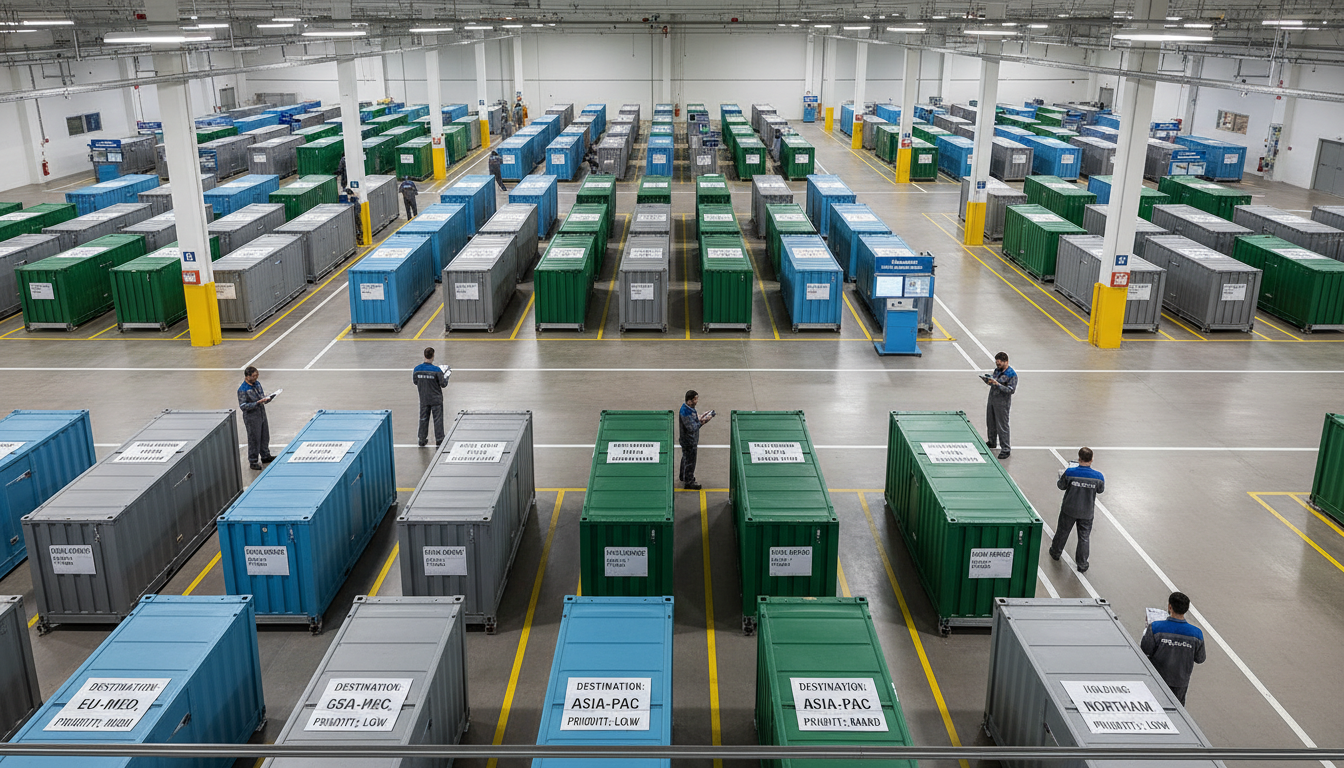
Investing in professional logistics solutions can lead to significant savings in the long run, reducing waste and enhancing customer satisfaction through timely deliveries.
Myth 3: Technology in Logistics Is Overrated
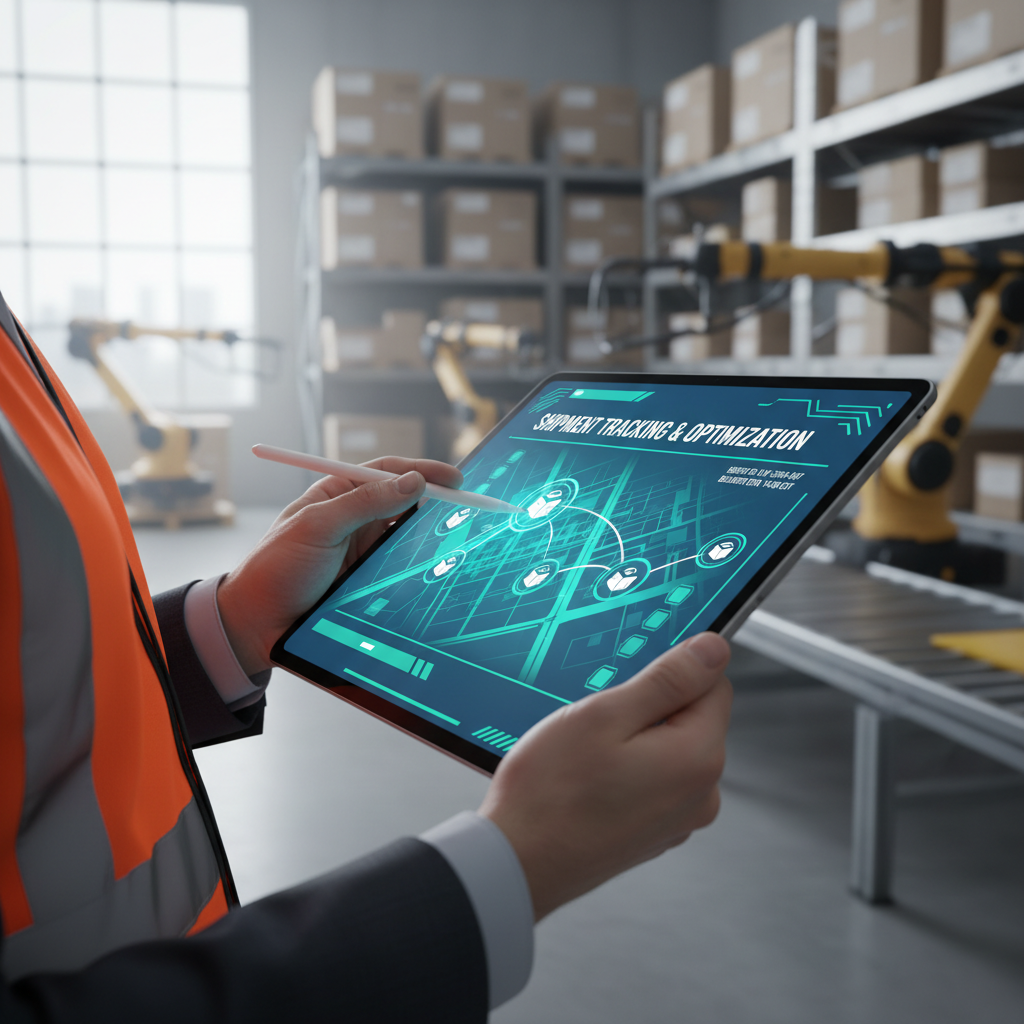
Some believe that the impact of technology on logistics is overrated. However, technology is a game-changer in the industry. From real-time tracking to automated warehouses, technological advancements have revolutionized logistics, offering unprecedented transparency and control.
Utilizing technology allows businesses to respond quickly to changes in demand, minimize errors, and optimize resources. This adaptability is crucial in today's dynamic market environment.
Myth 4: Sustainability Is Not a Priority
There's a myth that logistics companies don't prioritize sustainability. In fact, many logistics providers are actively working to reduce their environmental impact. By adopting eco-friendly practices like optimizing routes, using energy-efficient vehicles, and minimizing waste, logistics companies are contributing to a more sustainable future.
Sustainability is becoming a key differentiator in the industry, with consumers and businesses alike demanding greener solutions.
Conclusion
Breaking down these myths highlights the complexity and importance of trade logistics solutions. By understanding the true scope of logistics, businesses can better appreciate its role in enhancing efficiency, reducing costs, and supporting sustainability. As the industry continues to evolve, staying informed about these aspects will be crucial for businesses looking to thrive in a globalized world.