Common Misconceptions About International Trading: Debunked by Expert Line Group
EL
Understanding Tariffs and Duties
One of the most prevalent misconceptions about international trading is the belief that tariffs and duties are always prohibitive and detrimental to trade. While they can add costs, they also serve as tools for balancing trade relationships and protecting domestic industries. Understanding the specific tariffs applicable to different goods can help businesses strategize their pricing and market entry effectively.
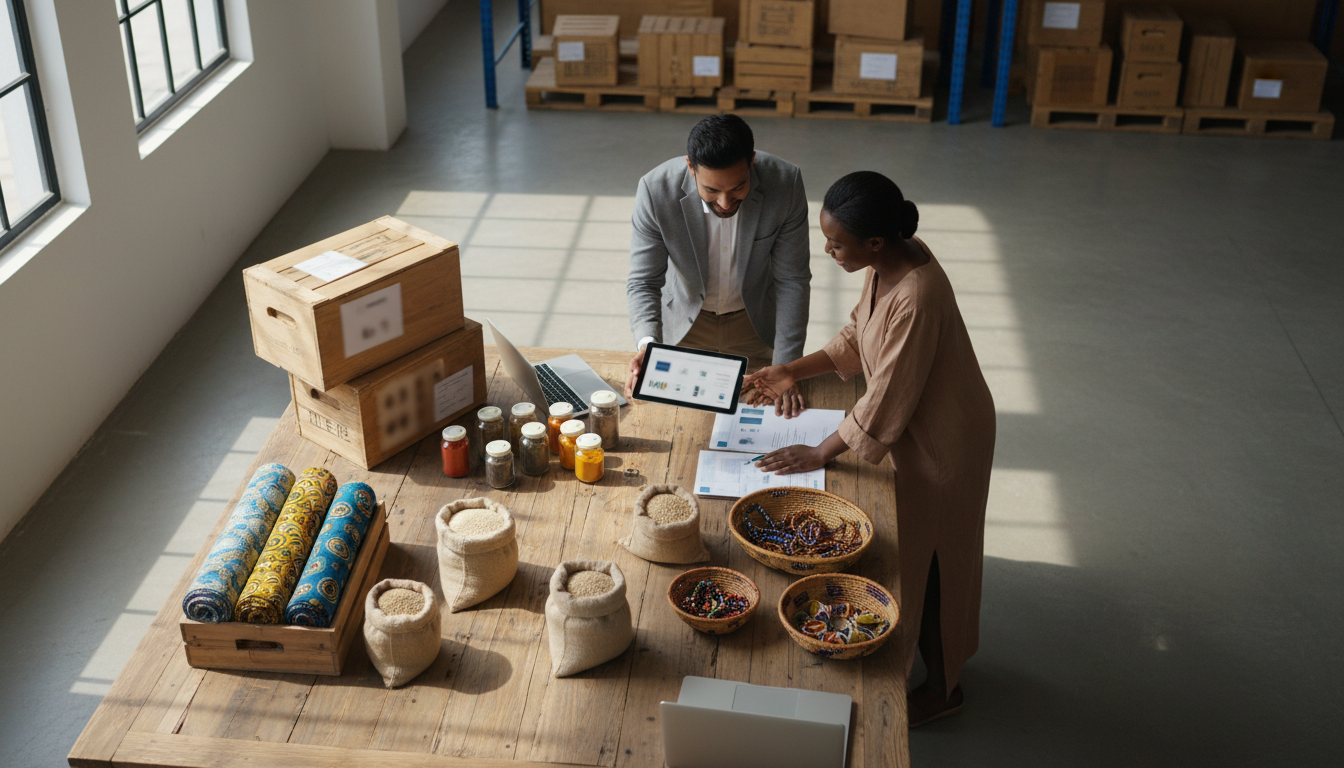
Moreover, many countries have trade agreements that reduce or eliminate tariffs on certain goods, making international trade more accessible. It's crucial to stay informed about these agreements to take full advantage of them.
Quality Concerns with Imported Goods
Another common myth is that imported goods are of lower quality compared to domestically produced items. This assumption overlooks the rigorous quality standards and checks that many international suppliers adhere to. In fact, many countries have stringent regulations that match or even exceed domestic standards.
Businesses can also conduct their own due diligence by visiting suppliers, requesting samples, and verifying certifications to ensure quality. Building strong relationships with suppliers can further enhance trust and quality assurance.
The Complexity of International Regulations
Many believe that navigating international trade regulations is overwhelmingly complex. While international regulations can be intricate, they are not insurmountable. With the right guidance and resources, businesses can efficiently manage compliance.

Engaging with experts, such as trade consultants or legal advisors, can simplify the process. They offer insights into the specific laws and regulations of each market, helping businesses avoid common pitfalls.
Language and Cultural Barriers
Language and cultural differences are often seen as barriers to successful international trading. However, these challenges can be mitigated with proper preparation and resources. Leveraging professional translation services and cultural training can significantly improve communication and business interactions.
Understanding cultural nuances can also be a competitive advantage, allowing businesses to tailor their offerings and marketing strategies to better resonate with local consumers.

The Role of Technology in Trade
Some argue that technology complicates international trade, but in reality, it often simplifies it. Tools like digital platforms for communication, logistics management software, and e-commerce solutions streamline operations and open new markets.
Embracing technology can lead to more efficient processes, reduced costs, and expanded reach, making international trading more accessible than ever before.
Conclusion
By debunking these common misconceptions, Expert Line Group aims to empower businesses to explore international trading with confidence. Understanding the realities of tariffs, quality, regulations, cultural dynamics, and technology can transform potential challenges into opportunities for growth and success.