
Comprehensive Guide to Trade Logistics Solutions in Emerging Markets
EL
Understanding Trade Logistics in Emerging Markets
Trade logistics in emerging markets can be complex, yet they provide significant opportunities for businesses looking to expand their global footprint. As these markets continue to evolve, understanding the nuances of logistics becomes crucial. This guide aims to break down the essential aspects of trade logistics in these dynamic environments.
The Importance of Infrastructure Development
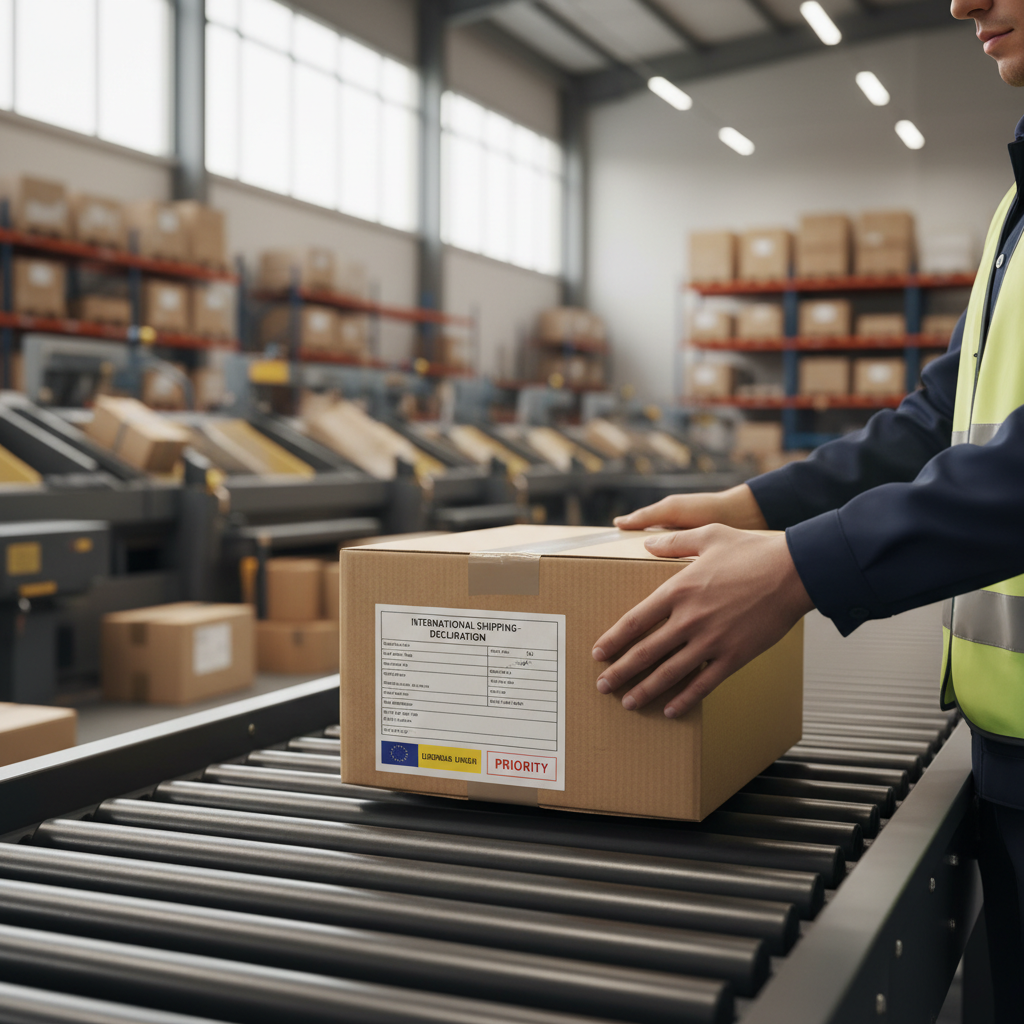
Infrastructure is the backbone of trade logistics. In emerging markets, improvements in roads, ports, and airports are critical for efficient transportation. Governments and private sectors are investing heavily in infrastructure projects to enhance connectivity and reduce lead times. This development opens up new possibilities for trade and economic growth.
For businesses, investing in regions with robust infrastructure can lead to cost savings and increased efficiency. It's essential to monitor infrastructure developments as part of a comprehensive trade strategy.
Navigating Regulatory Challenges
Regulatory environments in emerging markets can be complex and ever-changing. Understanding local laws, tariffs, and trade agreements is vital for smooth operations. Companies must stay informed about regulatory updates and work closely with local experts to ensure compliance.

Partnerships with local logistics providers can also help navigate these challenges, as they possess the necessary expertise and connections to handle regulatory requirements efficiently.
Leveraging Technology for Efficiency
Technology plays a pivotal role in modernizing trade logistics. Emerging markets are adopting digital solutions to improve supply chain visibility, enhance communication, and streamline operations. Technologies such as IoT, blockchain, and AI are transforming logistics processes, making them more efficient and transparent.
Businesses should explore these technological advancements to optimize their supply chains and gain a competitive edge in emerging markets.

Building Strong Partnerships
Forming strong partnerships with local companies can be a game-changer in emerging markets. These partnerships provide valuable insights into local consumer behavior, market trends, and logistical challenges. Collaborating with local firms can also facilitate smoother market entry and expansion.
Networking with local businesses and participating in trade associations can help build these essential relationships.
Adapting to Cultural Differences
Cultural understanding is crucial when operating in emerging markets. Differences in business practices, communication styles, and consumer preferences can impact trade logistics. Companies need to adapt their strategies to align with local cultures and expectations.

Training employees on cultural competence and hiring local talent can greatly enhance a company's ability to navigate these cultural differences effectively.
Planning for Future Trends
As emerging markets continue to grow, staying ahead of future trends is essential. Monitoring economic indicators, demographic shifts, and technological advancements can help businesses anticipate changes and adapt their logistics strategies accordingly.
Proactive planning and flexibility will be key to capitalizing on the opportunities present in these vibrant markets. By staying informed and agile, companies can ensure their logistics solutions remain effective and competitive.