
Comprehensive Guide to Trade Logistics Solutions in Turkey
EL
Understanding Trade Logistics in Turkey
Turkey's strategic location as a bridge between Europe and Asia makes it a vital hub for trade logistics. The country's logistics sector is rapidly evolving, driven by modern infrastructure investments and an increasing demand for efficient supply chain solutions. Understanding the complexities of trade logistics in Turkey is crucial for businesses looking to expand their operations in this dynamic region.
The Role of Infrastructure
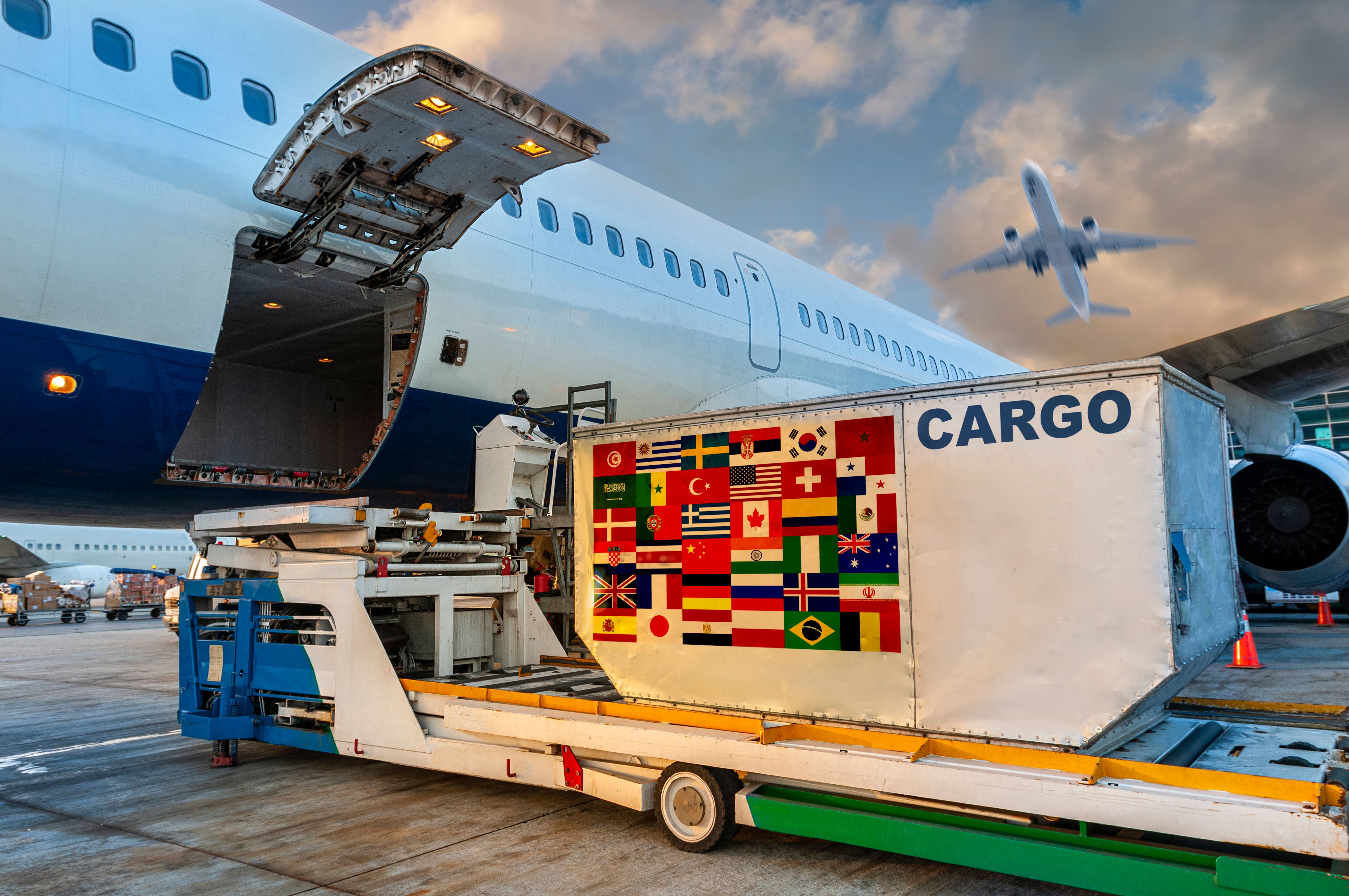
Infrastructure plays a significant role in the efficiency of trade logistics. Turkey boasts a well-developed network of roads, railways, and ports that facilitate the smooth movement of goods. The country has invested heavily in expanding its transportation infrastructure, including new highways and high-speed rail lines, to support its growing trade activities.
Ports such as Istanbul, Izmir, and Mersin are key gateways for international trade, offering state-of-the-art facilities for handling large volumes of cargo. These ports are equipped with advanced technologies that streamline customs procedures and reduce transit times, making Turkey an attractive destination for global trade.
Customs and Regulations
Navigating customs and regulations is a critical aspect of trade logistics in Turkey. The country has implemented several reforms to simplify customs procedures, aiming to align with international standards. Businesses must stay informed about the latest regulations and compliance requirements to ensure smooth operations.
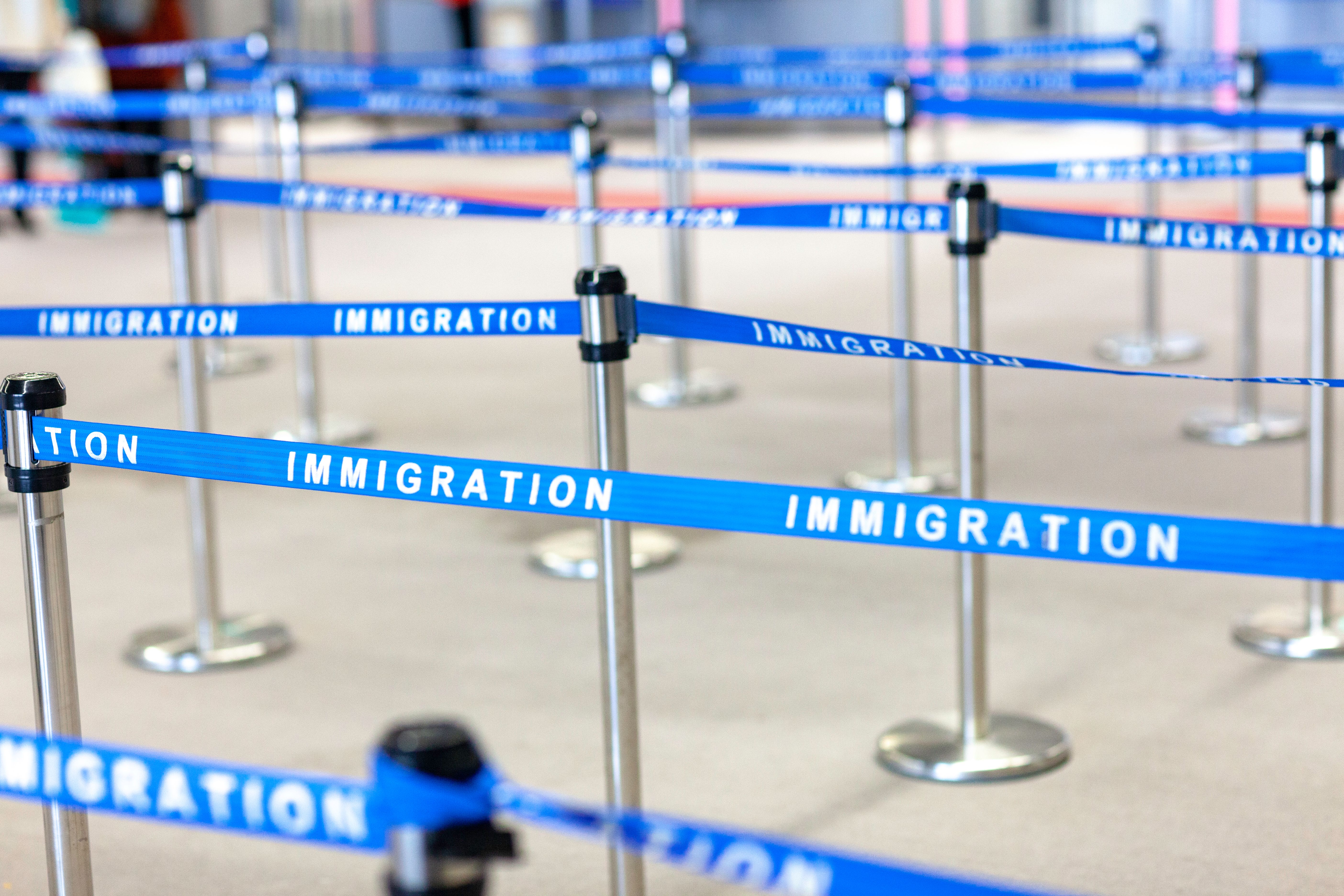
Turkey's customs authorities have adopted digital platforms to facilitate faster processing of documents and clearance of goods. This digital transformation has significantly reduced bureaucratic hurdles, allowing businesses to focus more on their core activities.
Logistics Service Providers
Choosing the right logistics service provider is essential for optimizing your supply chain in Turkey. The country hosts numerous providers offering a wide range of services, from freight forwarding to warehousing and distribution. Partnering with experienced logistics companies can enhance efficiency and reduce costs.
When selecting a logistics partner, consider factors such as their expertise in handling specific types of cargo, their network coverage, and their ability to provide customized solutions. A reliable provider will help you navigate the complexities of trade logistics and ensure timely delivery of goods.
Technology and Innovation
Technology is reshaping the landscape of trade logistics in Turkey. Innovations such as artificial intelligence, blockchain, and the Internet of Things are being leveraged to improve supply chain visibility and efficiency. These technologies enable real-time tracking of shipments, predictive analytics, and enhanced security measures.
Investing in technology-driven logistics solutions can provide a competitive edge, allowing businesses to respond quickly to market demands and optimize their operations for better performance.
Challenges and Opportunities
While Turkey offers numerous opportunities for trade logistics, there are also challenges to consider. Issues such as geopolitical tensions, fluctuating currency exchange rates, and regulatory changes can impact logistics operations. Businesses must be prepared to adapt to these challenges to maintain resilience.

Despite these challenges, the future of trade logistics in Turkey looks promising, with continued investments in infrastructure and technology. By understanding the landscape and leveraging the right solutions, businesses can capitalize on Turkey's strategic position and dynamic market to achieve their trade goals.