
How to Navigate International Trade Regulations in Turkey
EL
Expanding your business into Turkey's international trade market can be a lucrative venture. However, navigating the complex web of trade regulations is essential for success. Understanding these regulations will ensure compliance and smooth operations in this vibrant market.
Understanding the Basics of Turkish Trade Regulations
Turkey's trade regulations are influenced by its strategic geographical location and its membership in various international organizations. Businesses must familiarize themselves with the country's customs rules, import/export restrictions, and relevant trade agreements. Key organizations such as the Ministry of Trade and the Turkish Customs Authority play vital roles in regulating trade activities.

Import and Export Requirements
The import and export process in Turkey requires a thorough understanding of documentation and compliance standards. Businesses must secure the necessary licenses and permits, which vary based on the type of goods. The Harmonized System (HS) codes are critical in determining the applicable duties and taxes.
Additionally, certain goods may require conformity assessments or certifications to meet Turkish standards. Engaging with customs brokers or consultants can streamline this process and help mitigate potential issues.
Leveraging Trade Agreements
Turkey is part of several bilateral and multilateral trade agreements, including the Customs Union with the European Union. These agreements can offer reduced tariffs and simplified trade procedures for businesses. Understanding how these agreements apply to your products can significantly enhance your competitive edge.

Compliance with Local Standards
Compliance with local standards is crucial in Turkey. The Turkish Standards Institution (TSE) sets guidelines that may impact product specifications, labeling, and safety requirements. Adhering to these standards not only ensures compliance but also boosts consumer trust and market acceptance.
For specialized products, businesses may need to undergo additional testing and certification processes. It's advisable to engage with local experts who can provide insights into these requirements.
Dealing with Tariffs and Duties
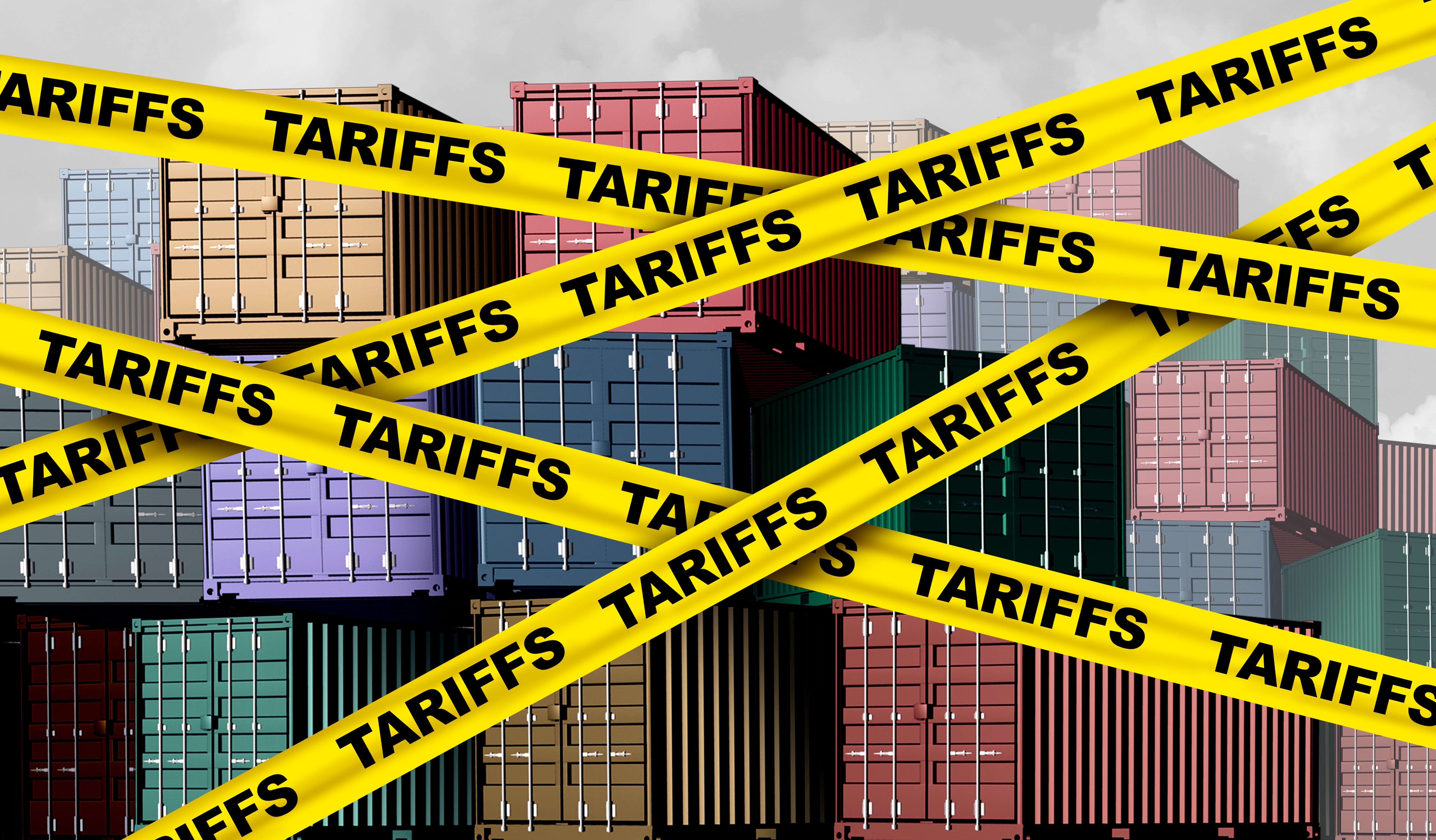
Understanding the tariff structure is a fundamental aspect of trading in Turkey. Tariffs can vary based on the product's origin, classification, and applicable trade agreements. Businesses should be prepared for possible changes in tariff rates and keep abreast of any updates from the Turkish government.
Utilizing Technology for Compliance
Technology plays a pivotal role in managing and navigating trade regulations. Numerous digital tools and platforms can assist businesses in staying compliant with Turkish trade laws. These tools can help track shipments, manage documentation, and ensure timely filing of necessary paperwork.
Investing in a robust compliance management system can reduce human error and enhance operational efficiency, making it easier to adapt to regulatory changes.
Building Relationships with Local Partners
Partnering with local businesses or consultants in Turkey can offer invaluable insights into the regulatory landscape. These partnerships can help bridge cultural and bureaucratic gaps, facilitating smoother market entry and ongoing operations.
Networking with local industry groups and attending trade fairs can also enhance your understanding of the market dynamics and regulatory environment.

Successfully navigating international trade regulations in Turkey requires diligence, understanding, and strategic planning. By staying informed and leveraging local expertise, businesses can unlock the potential of this dynamic market with confidence.