
Istanbul's International Trade Landscape: Key Trends and Opportunities
EL
Istanbul, a city renowned for its rich history and strategic location, has long been a pivotal player in international trade. As the crossroads of Europe and Asia, it serves as a gateway for commerce, offering unique opportunities for businesses looking to expand their global reach. In recent years, the trade landscape in Istanbul has evolved, influenced by various economic and geopolitical factors.
Key Trends in Istanbul's Trade
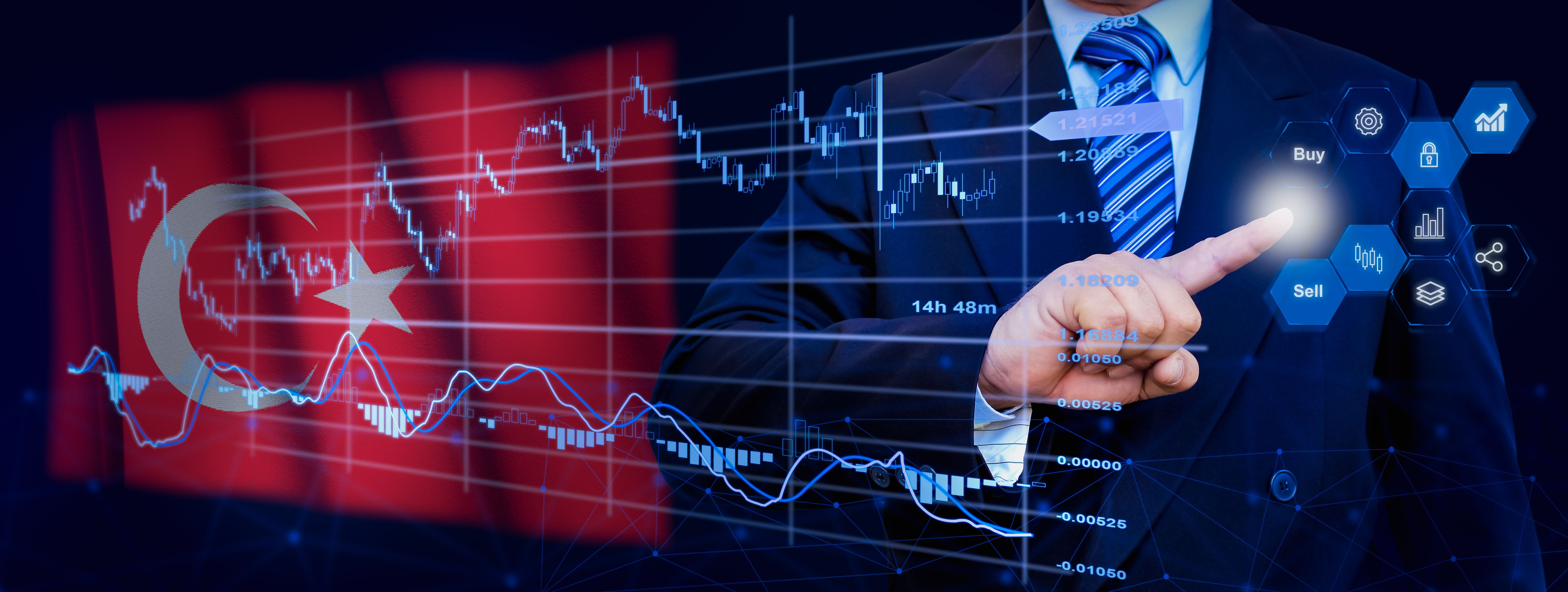
The city's trade dynamics have been shaped by several key trends. Firstly, there is a growing emphasis on digital transformation. Many businesses in Istanbul are adopting digital technologies to streamline their operations and enhance their competitiveness in the global market. This shift is particularly evident in the logistics and supply chain sectors.
Another significant trend is the diversification of trade partners. While Europe remains a primary market, Istanbul is increasingly engaging with Asia and Africa, exploring new opportunities and forging stronger economic ties. This diversification not only mitigates risks but also opens up new avenues for growth.
Focus on Sustainability
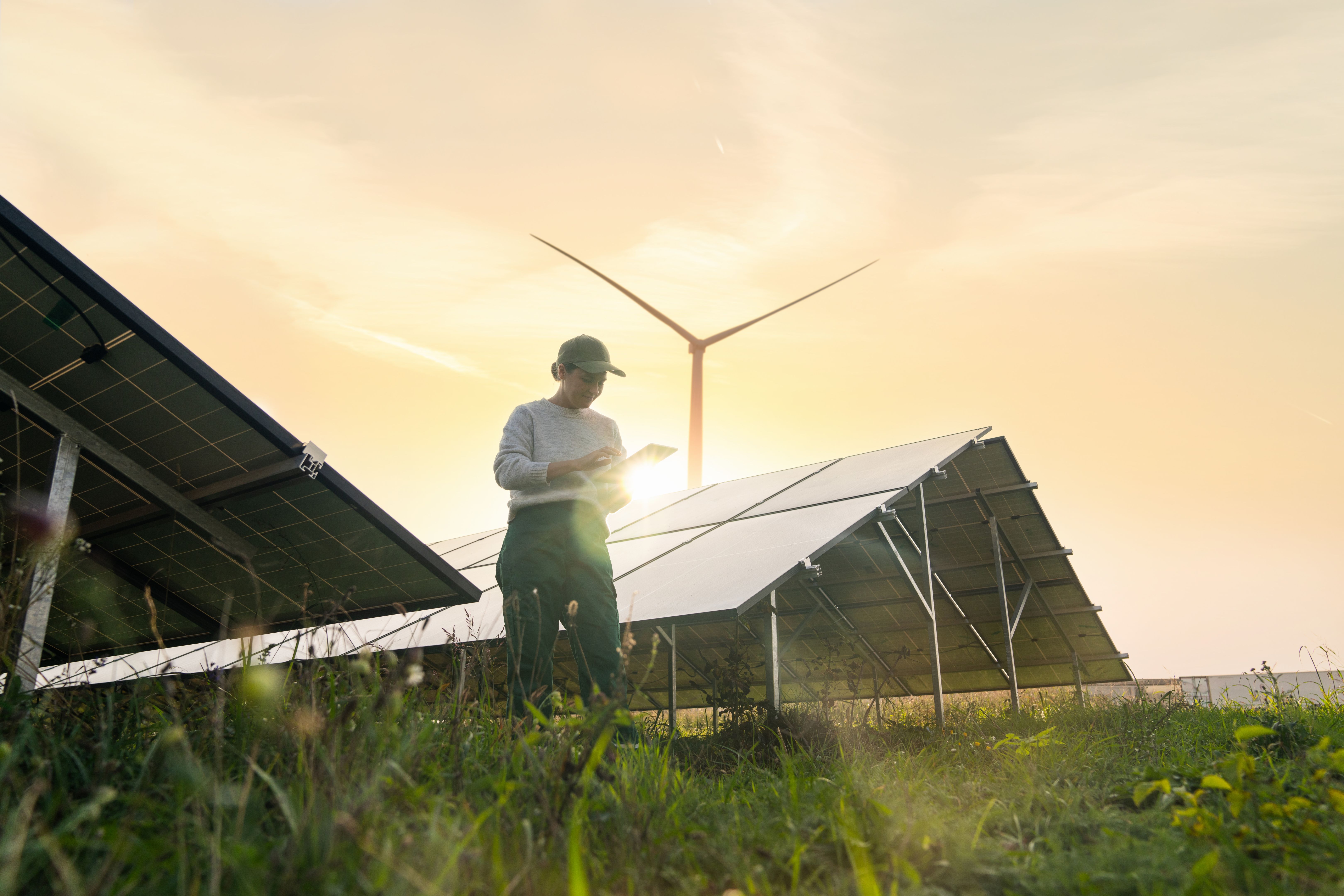
Sustainability is becoming a core focus in Istanbul's trade practices. Businesses are increasingly adopting eco-friendly practices, aligning with global sustainability goals. This shift is driven by both consumer demand and regulatory pressures, encouraging companies to innovate and invest in green technologies.
Opportunities in Emerging Markets
Istanbul's strategic position makes it an ideal hub for accessing emerging markets. The city offers a unique blend of modern infrastructure and traditional trade routes, facilitating seamless connectivity. Companies looking to enter markets in Central Asia and the Middle East can leverage Istanbul’s logistical advantages.
The government has also introduced various incentives to attract foreign investment, particularly in the tech and manufacturing sectors. These initiatives aim to boost economic growth and position Istanbul as a leading trade center in the region.
Challenges and Risks
Despite the opportunities, there are challenges that businesses need to navigate. Geopolitical tensions and economic fluctuations can impact trade dynamics. Companies must be agile and adaptable, developing strategies to mitigate these risks while capitalizing on emerging trends.

The Role of Technology
Technology plays a crucial role in shaping Istanbul's trade landscape. Innovations such as artificial intelligence, blockchain, and big data analytics are transforming how businesses operate. These technologies enhance efficiency, reduce costs, and provide valuable insights into market trends.
Moreover, the rise of e-commerce has revolutionized retail trade, enabling businesses in Istanbul to reach global customers with ease. This shift has prompted many traditional retailers to adopt omnichannel strategies, blending online and offline experiences.
Conclusion
Istanbul's international trade landscape is dynamic and full of potential. By embracing digital transformation, focusing on sustainability, and leveraging its strategic location, the city continues to thrive as a global trade hub. For businesses looking to expand their horizons, Istanbul offers a wealth of opportunities and a promising future.