
Navigating International Trade: A Comprehensive Guide for Businesses in Istanbul
EL
Understanding the Landscape of International Trade
As a bustling metropolis straddling two continents, Istanbul is uniquely positioned to be a hub for international trade. The city's strategic location offers businesses unparalleled access to both European and Asian markets. For companies based in Istanbul, understanding the intricacies of international trade is essential for growth and success.

The Importance of Market Research
Before venturing into international markets, thorough market research is crucial. Businesses should identify target markets, understand cultural nuances, and assess demand for their products or services. This research helps in crafting strategies that align with local consumer preferences and legal requirements.
Moreover, analyzing competitors in the target market can provide valuable insights. It helps businesses to differentiate their offerings and develop a competitive edge.
Legal and Regulatory Considerations
Navigating the legal landscape is a fundamental aspect of international trade. Businesses must comply with both local regulations in Istanbul and the legal requirements of the target country. This includes understanding import/export restrictions, tariffs, and trade agreements.

Leveraging Trade Agreements
Turkey's participation in various trade agreements offers businesses in Istanbul significant advantages. These agreements can lower tariffs and provide easier access to foreign markets. Businesses should stay informed about relevant trade agreements to maximize their benefits.
Logistics and Supply Chain Management
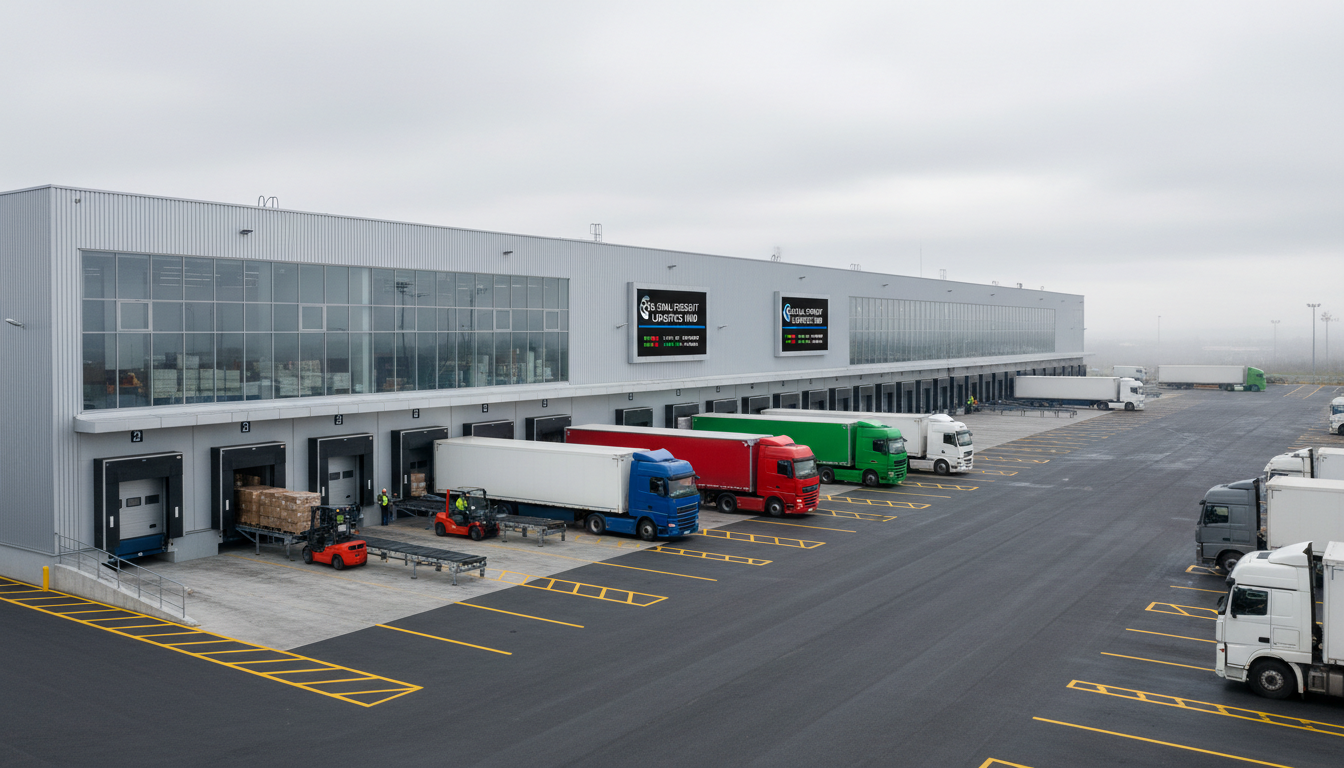
Effective logistics and supply chain management are vital for international trade. Istanbul's extensive transport infrastructure, including its ports and airports, facilitates efficient movement of goods. However, businesses must strategically plan their logistics to ensure timely delivery and cost-effectiveness.
Choosing the Right Partners
Collaborating with reliable logistics partners can make a significant difference. These partners can handle shipping, warehousing, and distribution, allowing businesses to focus on core operations. It's essential to vet partners thoroughly and establish clear communication channels.
Adapting to Cultural Differences
Cultural understanding is crucial when engaging in international trade. Businesses should respect and adapt to the cultural norms of their target markets. This includes everything from communication styles to business etiquette.
Building strong relationships with international partners often relies on cultural sensitivity and mutual respect, which can lead to long-term success.
Embracing Digital Tools
In today's digital age, leveraging technology can streamline international trade processes. From digital marketing to e-commerce platforms, businesses have numerous tools at their disposal to reach global audiences effectively.
Utilizing data analytics can also provide insights into market trends and consumer behavior, enabling more informed decision-making.