
Navigating Seasonal Trends in International Trade: Insights from Istanbul
EL
Understanding Seasonal Trends in International Trade
International trade is a dynamic field, influenced by a variety of factors, including seasonal trends. Businesses that successfully navigate these trends can gain a competitive edge. Istanbul, a city that bridges continents, provides a unique perspective on these fluctuations, offering valuable insights for global traders.
Seasonal trends in international trade can be driven by several factors such as weather conditions, holidays, and cultural events. For example, the textile industry in Istanbul sees a significant uptick in demand as retailers prepare for the summer and winter fashion seasons. Understanding these cycles is crucial for businesses to optimize their supply chain and inventory management.

The Influence of Cultural Events
Cultural events play a significant role in shaping trade patterns. Istanbul, with its rich cultural heritage, hosts numerous events that attract international visitors and traders. These events can lead to increased demand for certain goods, from local crafts to luxury items. Businesses that align their marketing strategies with these cultural milestones can tap into new customer bases and boost their sales.
For instance, the Istanbul Shopping Festival is an annual event that attracts tourists and locals alike, creating a surge in retail activity. Traders who anticipate this demand and prepare accordingly can maximize their profitability during this period.
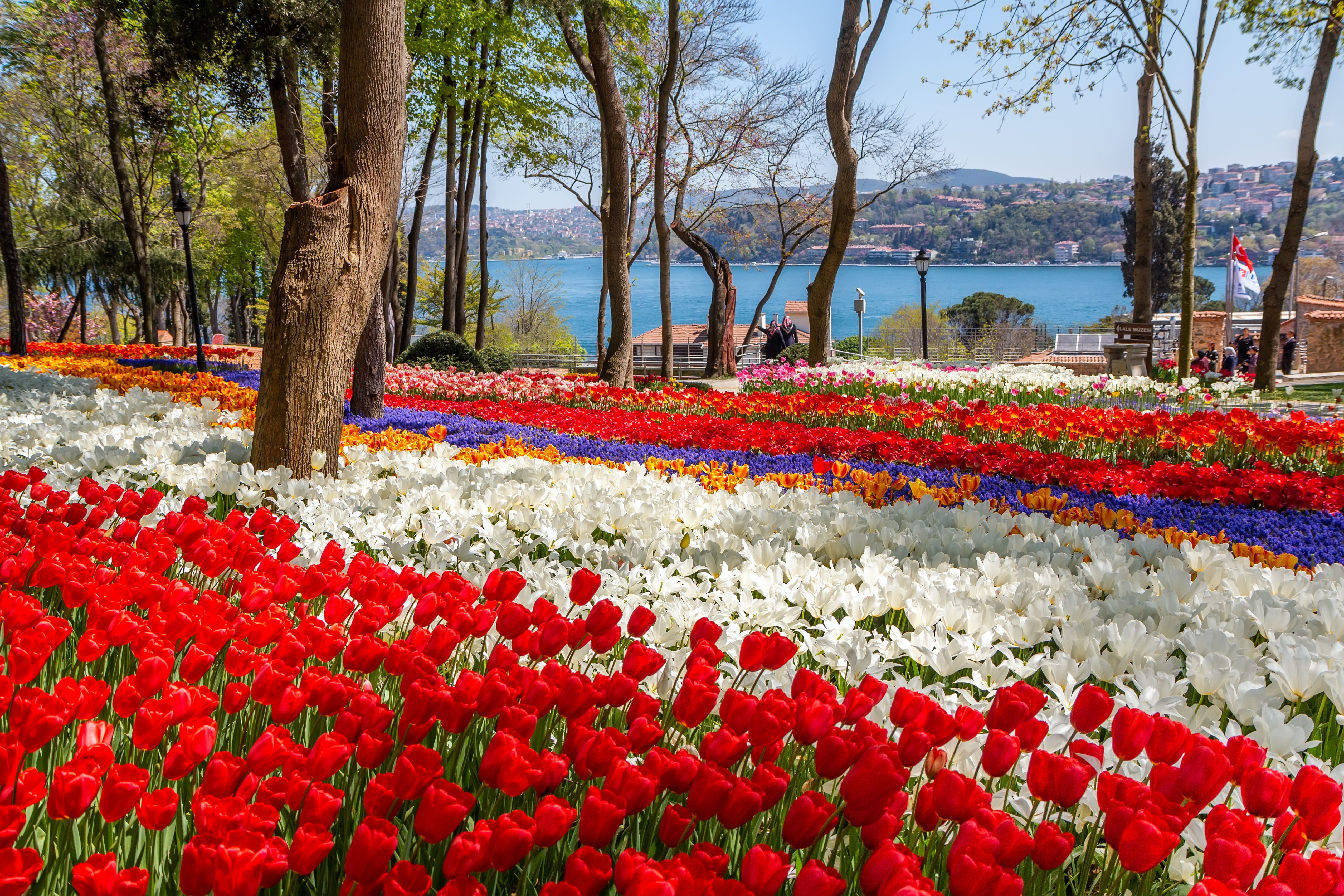
Adapting to Weather-Driven Demand
Weather conditions significantly impact international trade flows, especially in agriculture and textiles. In Istanbul, the fluctuating Mediterranean climate influences the types of goods that are in demand. For instance, summer sees a higher demand for lightweight fabrics, while winter necessitates warmer clothing.
Businesses can leverage this information by adjusting their production and distribution schedules to meet seasonal demand. By doing so, they ensure that they have the right products at the right time, reducing excess inventory and minimizing costs.
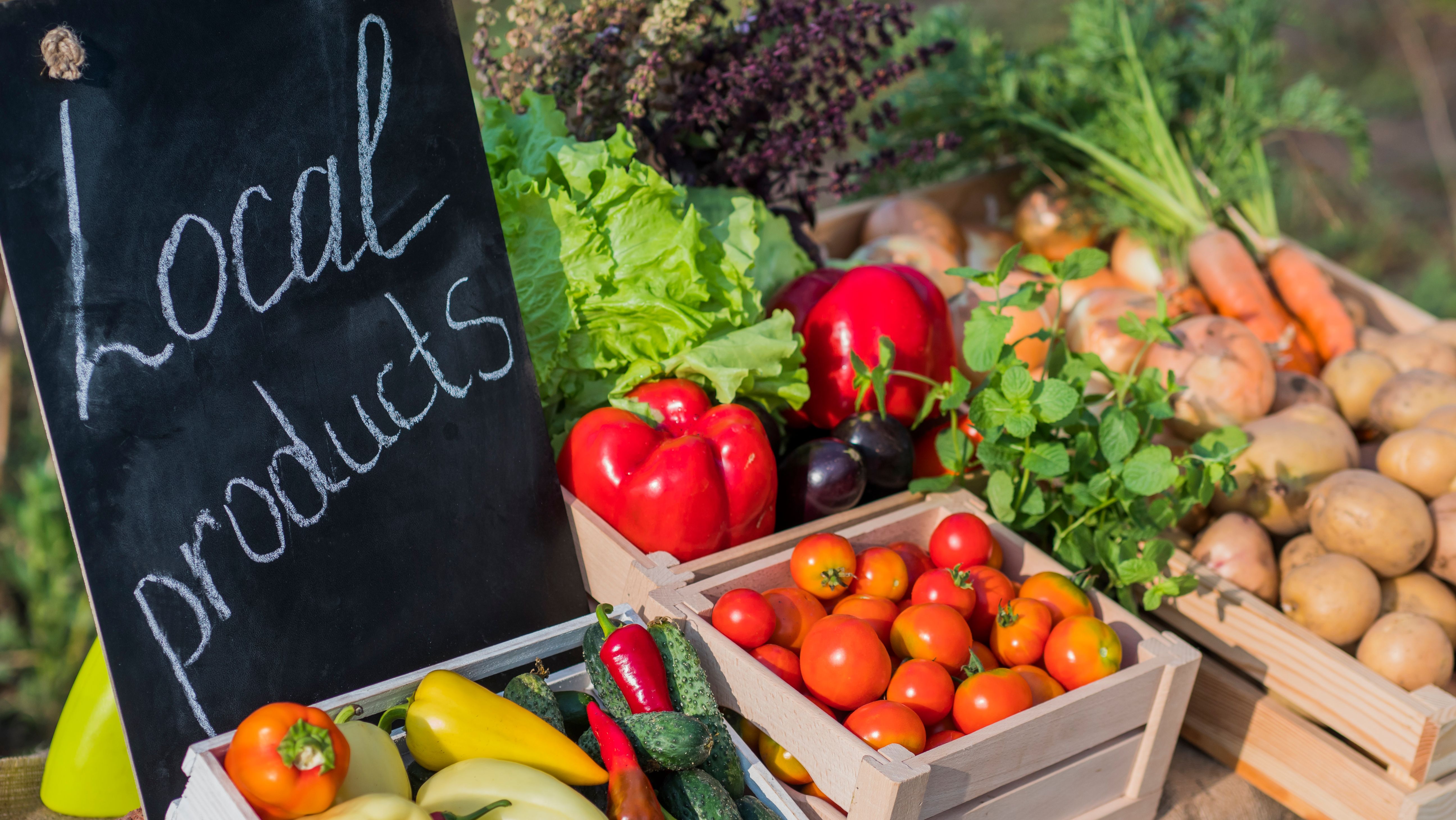
Strategies for Navigating Seasonal Trends
To navigate seasonal trends effectively, businesses should consider implementing the following strategies:
- Market Research: Conduct thorough research to understand the specific trends and demands in different markets.
- Flexible Supply Chains: Develop flexible supply chains that can quickly adapt to changes in demand.
- Collaborative Partnerships: Build strong partnerships with local businesses in key markets like Istanbul to gain insights and access to local networks.
By adopting these strategies, businesses can enhance their ability to respond to seasonal changes, ensuring they remain competitive in the global marketplace.
Conclusion: Embracing Change in a Global Market
Seasonal trends in international trade are inevitable, but they present an opportunity for businesses to innovate and grow. By learning from the dynamic market of Istanbul, traders can better anticipate and adapt to these changes, positioning themselves for success.
With the right strategies and insights, navigating the complexities of seasonal trends can become a driving force for growth and profitability in international trade.