
The Essential Guide to Import Export Regulations in Turkey
EL
Understanding Import Export Regulations in Turkey
Turkey, strategically located at the crossroads of Europe and Asia, is a vital hub for international trade. Navigating import and export regulations is crucial to successfully conduct business in this dynamic market. This guide provides an overview of the essential regulations and procedures to help you get started.

Key Regulatory Bodies
The primary regulatory body for trade in Turkey is the Ministry of Trade. They oversee the implementation of trade policies and ensure compliance with international agreements. Additionally, Turkish Customs and the Undersecretariat of Foreign Trade play significant roles in regulating imports and exports.
Businesses must also adhere to specific standards set by the Turkish Standards Institution (TSE) to ensure product quality and safety. Understanding these organizations and their roles is critical for compliance.
Import Regulations
To import goods into Turkey, businesses must follow several procedures. Firstly, you need to obtain an Import License, which is mandatory for certain products. It's important to check whether your goods fall under this category before proceeding.

Secondly, compliance with Turkish Customs regulations is essential. This includes preparing necessary documentation such as a commercial invoice, bill of lading, and certificate of origin. Proper documentation ensures a smoother customs clearance process.
Customs Duties and Taxes
Understanding the customs duties and taxes is crucial for cost estimation. Turkey imposes customs duties based on the Harmonized System (HS) code of the product. Additionally, the Value Added Tax (VAT) is applicable on imports, which varies depending on the product type.
- Determine the HS code for your product.
- Calculate applicable duties and taxes.
- Ensure compliance with local tax regulations.
Export Regulations
Exporting goods from Turkey requires familiarity with specific procedures. Businesses must register with the Exporters’ Associations and obtain an Exporter Registry Form. This registration is crucial for legal export activities.
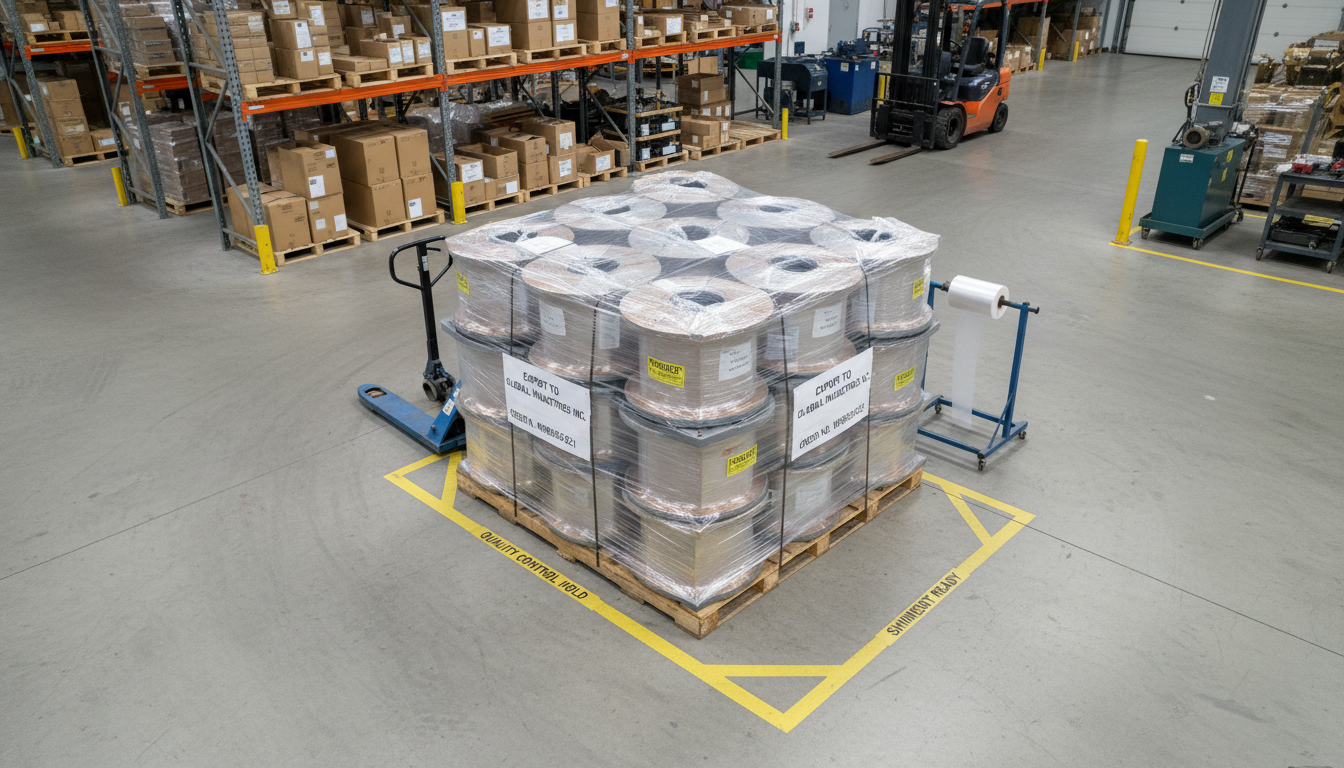
Furthermore, obtaining an export license is necessary for certain goods. It's important to verify if your products require special permissions or meet specific standards before exporting.
Documentation for Export
Proper documentation is essential for a hassle-free export process. The required documents typically include an export declaration, invoice, packing list, and any certificates required for specific products. Ensuring all paperwork is in order helps avoid delays.
Navigating Trade Agreements
Turkey is a member of various international trade agreements, including the Customs Union with the EU. These agreements can impact tariffs and trade terms. Familiarizing yourself with these agreements can provide competitive advantages and facilitate smoother trade processes.
In conclusion, understanding and complying with Turkey's import and export regulations is vital for successful international trade. By staying informed and prepared, businesses can leverage Turkey's strategic position and vibrant market for growth opportunities.