
Top Trends Shaping the Future of International Trading
EL
Introduction to International Trading Trends
The landscape of international trading is rapidly evolving, influenced by several key trends that are reshaping how businesses operate across borders. Understanding these trends is crucial for companies looking to stay competitive in the global market.

Digital Transformation
E-commerce Boom
The surge in e-commerce is a major driver of change in international trade. With more consumers shopping online, businesses are expanding their reach across continents. This shift is not only boosting sales but also increasing the complexity of logistics and supply chain management.
Blockchain Technology
Blockchain is revolutionizing international trade by enhancing transparency and security. This technology enables secure and verifiable transactions, reducing the risk of fraud and improving trust between trading partners. Businesses leveraging blockchain can streamline their operations and reduce costs.

Sustainability and Ethical Trading
Green Supply Chains
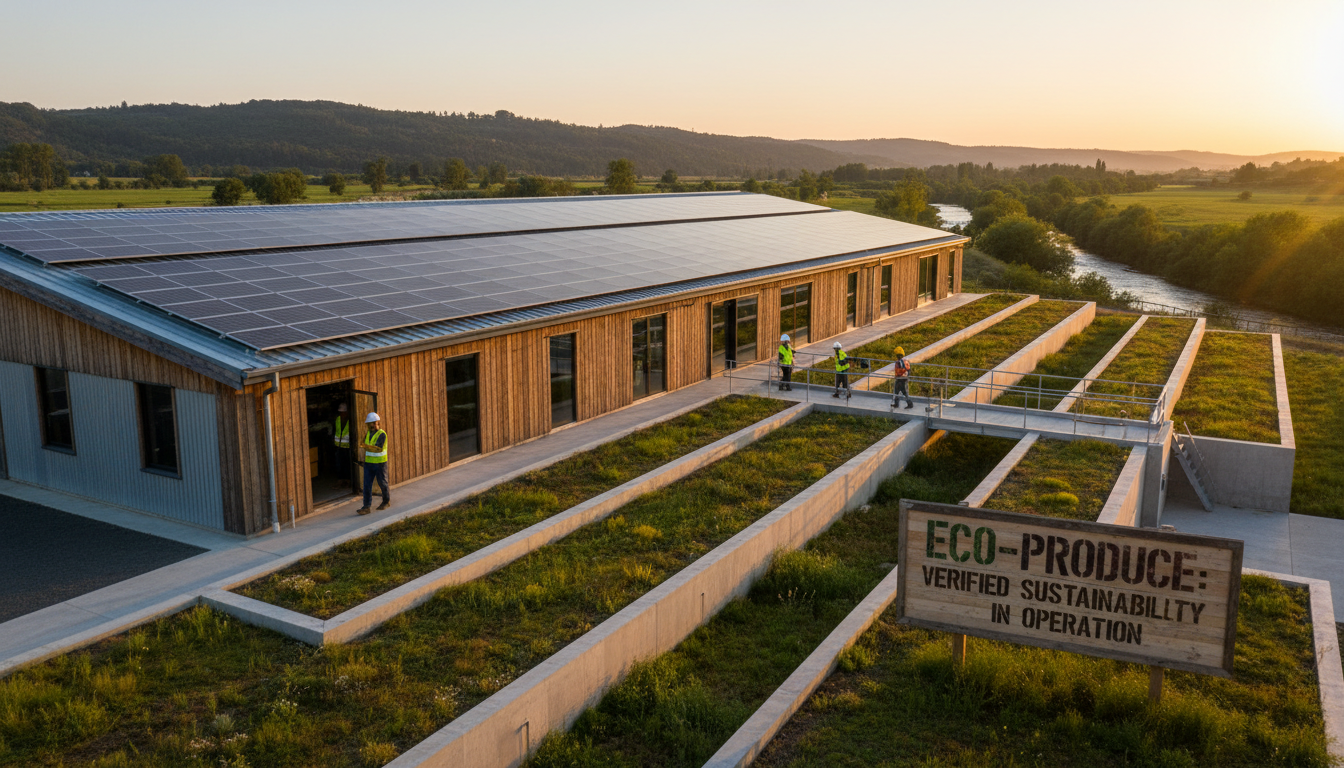
Environmental concerns are pushing companies to adopt greener supply chain practices. This trend is not just about compliance but is also driven by consumer demand for sustainable products. Companies are increasingly investing in renewable energy and eco-friendly materials.
Fair Trade Practices
There is a growing emphasis on ethical trading practices, with businesses striving to ensure fair labor conditions and equitable pay for workers. This shift is fostering better relationships with suppliers and enhancing brand reputation.
Geopolitical Influences
Trade Agreements
International trade agreements continue to shape the global trading environment. Recent agreements have opened new markets and created opportunities for businesses to expand their international footprint. Understanding these agreements is crucial for strategic planning.
Tariffs and Trade Barriers
Despite efforts to promote free trade, tariffs and trade barriers remain a significant challenge. Companies must navigate these obstacles carefully to maintain profitability and competitiveness in the global marketplace.

Technological Advancements
Artificial Intelligence
AI is playing a pivotal role in transforming international trade. From predictive analytics to automated customer service, AI is helping businesses make data-driven decisions and improve operational efficiency.
Internet of Things (IoT)
The IoT is enhancing supply chain visibility and efficiency. By connecting devices and systems, businesses can monitor shipments in real-time, reducing delays and improving customer satisfaction.

Conclusion
The future of international trading is being shaped by these dynamic trends. Companies that adapt to these changes and leverage new technologies will be well-positioned to thrive in the global market. Staying informed and agile is key to navigating the complexities of international trade.